
Land Use & Zoning Litigation

The parcel
already read.
The denial
already cracked.

ZoningCounsel represents commercial developers, rural landowners, and builders at planning commissions, zoning boards, and municipal hearings across the region. We arrive with the staff report already annotated.

340+

Hearings Argued

87%

Approval Rate

14

Jurisdictions

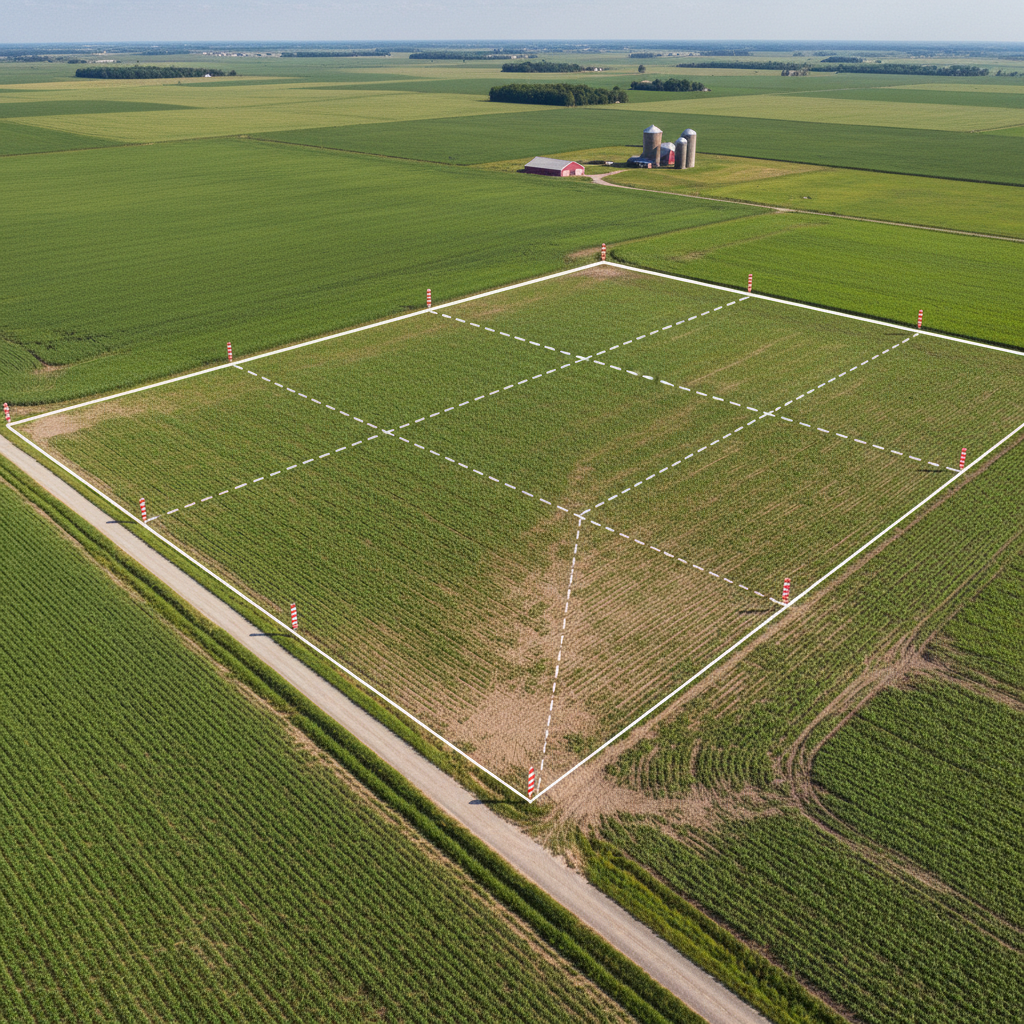
Aerial photograph of parcel boundary with lot lines overlaid and survey stakes visible in agricultural land
The planning commission had denied us twice. He found a procedural defect in the second denial that voided the record entirely. We broke ground six weeks later.
Portrait of Marcus Webb, Managing Partner at Meridian Industrial Group

Marcus Webb

Managing Partner · Meridian Industrial Group

Industrial Rezoning · 42-acre parcel

Jurisdictions Appeared Before · Clients Represented

Representing parties in variance appeals, rezoning petitions, and conditional use proceedings across 14 counties and municipalities.

The Case Files

Recognize
your situation.

Every zoning dispute follows a recognizable pattern. The details change. The leverage points don't.


Case Archetype I

The Denied Variance

The letter arrives on a Tuesday. Two pages, single-spaced, citing three municipal code sections and a 2019 precedent that the planning staff has applied in every denial for the past four years — regardless of whether the facts fit. The variance is for eight feet. Eight feet that stand between a viable building footprint and a project that pencils out.

Most applicants read the denial letter and start negotiating. They ask what the board wants to see in a redesign. They commission a new survey. They come back with a revised site plan that gives away more than the original denial ever required.

The correct response is to read the record. Every denial rests on findings, and findings must be supported by substantial evidence in the record. When the staff report cites a "lack of unique hardship," that conclusion has to be traceable to something in the file — not just asserted. When it isn't, the denial is vulnerable on appeal.

Eight feet. The entire project turned on eight feet and a staff report that cited the wrong section.

EXHIBIT ADENIED

Staff Report — Recommendation of Denial

  • Applicant requests 8-ft rear setback variance from §4.3.2(b).
  • Staff finds no hardship unique to the parcel. Denial recommended.
  • Vote scheduled: March 14 Planning Commission Regular Session.

Architectural blueprints and site plan documents spread on a table with a red denial stamp visible
Case 01

91%

Variance appeals reversed or remanded
Case Archetype II

The Hostile Rezoning

The landowner didn't apply for anything. They didn't ask to be rezoned. The municipality initiated the action — a "comprehensive plan update," the notice says — and now the 62-acre parcel that has been agricultural land for three generations is proposed for "rural conservation" designation that prohibits subdivision and eliminates 80 percent of its appraised value.

The public hearing is in three weeks. The comment period closes in ten days. Most landowners show up and speak for three minutes. They explain how long the family has owned the land. They talk about what they planned to do with it. The commission listens politely and votes 5-2 to adopt the rezoning.

A municipality-initiated rezoning is a taking argument waiting to be made. The question is whether the new designation leaves the property without any economically beneficial use — and if it does, whether the government has crossed the line from regulation into confiscation.

They didn't apply for anything. The municipality initiated it — and eliminated 80 percent of the appraised value.

EXHIBIT BPENDING

Notice of Proposed Rezoning — Initiated by Municipality

  • Parcel 07-4401-009 (62.4 ac): Proposed reclassification A-1 → RC-2.
  • Applicant/Initiator: City of Ashford Community Development Dept.
  • Public hearing: April 3. Comment period closes March 28.
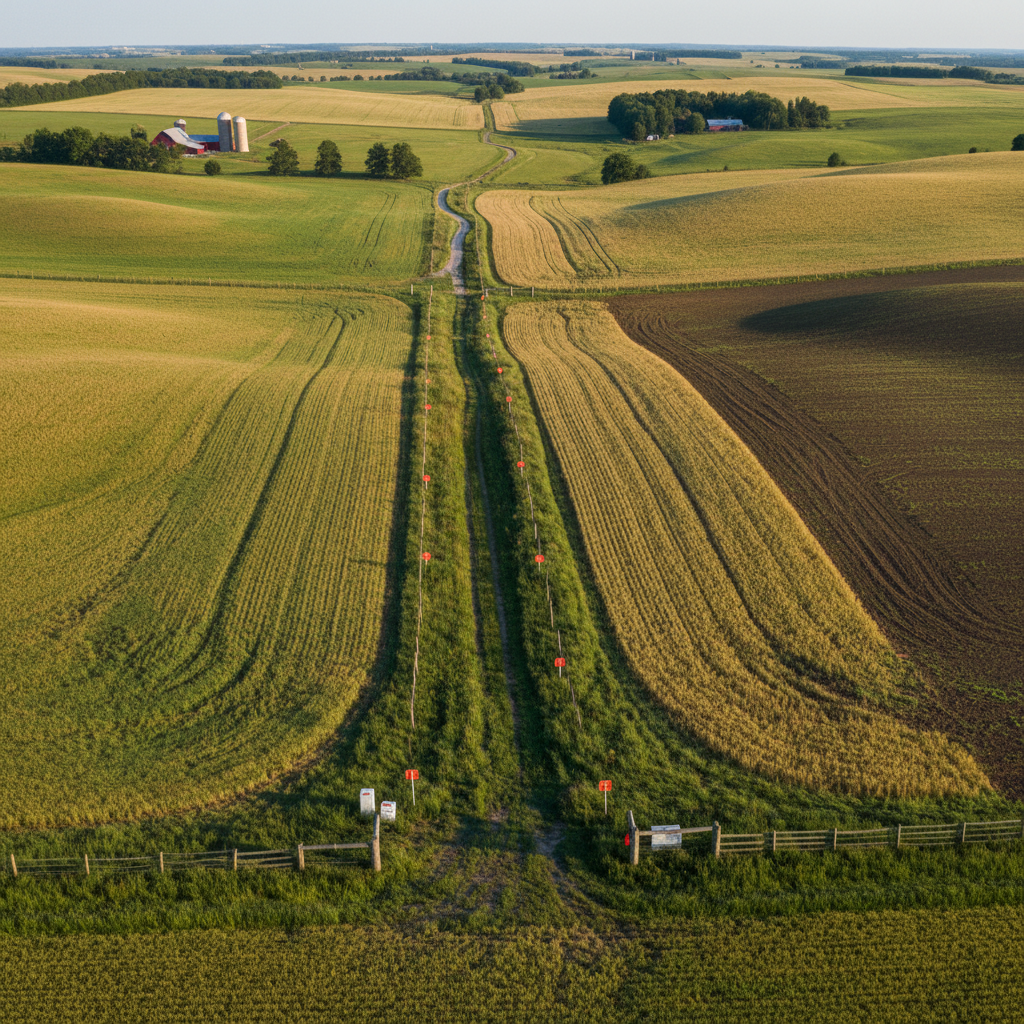
Rural farmland aerial view with property boundary markers and survey pins visible at fence line
Case 02

78%

Hostile rezonings successfully challenged

Case Archetype III

The Conditional Use Trap

They got the approval. It says so at the top of the resolution — "Conditional Use Permit Granted." What follows is thirty-one conditions, some of which are standard boilerplate, some of which are targeted specifically at this project, and at least three of which make the approved use economically impossible to operate.

Condition 14 limits hours. Condition 22 requires a new traffic study before each phase — not once, but per phase, indefinitely, at the applicant's expense, with no cap on what the study must show before approval proceeds. Condition 31 subjects the entire permit to annual review and potential revocation on standards that are never defined.

This is not approval. This is a conditional use permit engineered to expire. The conditions are so onerous that the applicant will either abandon the project or return to the commission annually to beg for continuation. The correct response is to challenge the conditions before breaking ground — not after three years of operating under them.

"Conditional Use Permit Granted." What followed was thirty-one conditions — three of which made the use impossible.

EXHIBIT CAPPROVED*

Conditional Use Permit — Conditions of Approval

  • Condition 14: Hours of operation limited to 7AM–9PM, Mon–Sat.
  • Condition 22: Traffic study required prior to each phase of build-out.
  • Condition 31: Annual compliance review; permit subject to revocation.
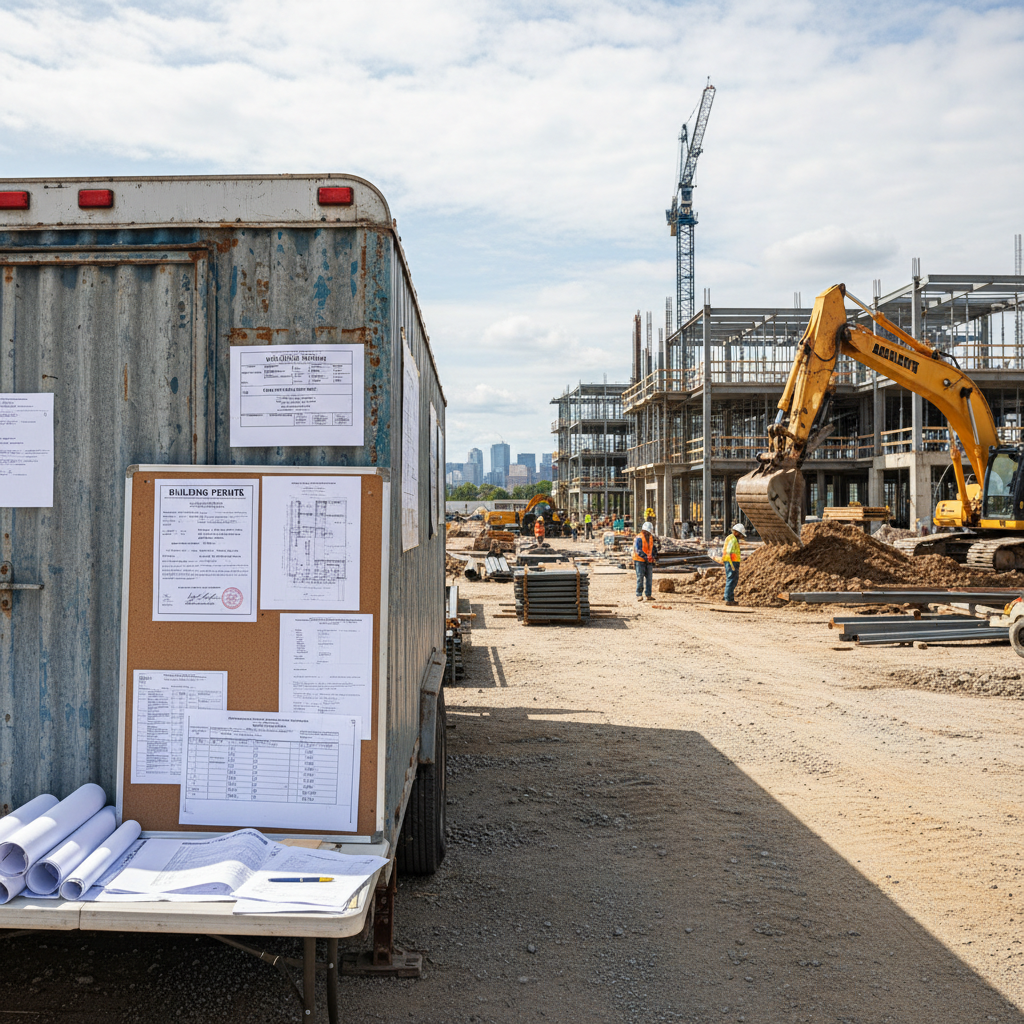
Commercial construction site with building permits posted and planning documents visible on site trailer
Case 03

83%

CUP conditions successfully modified

Zoning Risk Diagnostic

Assess Your
Zoning Risk

Five questions. Two minutes. A risk tier and a specific recommendation based on your parcel's situation.

Before we talk about your parcel,
let's understand your situation.

This five-question diagnostic identifies whether your zoning matter is Routine, Contested, or Adversarial — and what that means for your next step.

No account required · Confidential

Free Resource

Before You Appeal:
The 7 Mistakes That Kill
Variance Petitions

Most variance appeals fail for the same seven reasons. None of them are about the merits of the project. All of them are procedural, and all of them are avoidable — if you know what to look for before the hearing.

  1. 1

    Filing without reading the staff report cover-to-cover

  2. 2

    Treating the denial letter as final instead of a reviewable record

  3. 3

    Negotiating conditions before challenging their legal basis

  4. 4

    Missing the appeal window while pursuing informal resolution

  5. 5

    Presenting emotional arguments to a quasi-judicial body

    Gated
  6. 6

    Failing to build an evidentiary record at the hearing level

    Gated
  7. 7

    Assuming the board's stated reason is the only ground for reversal

    Gated
ZoningCounsel · Practice GuidePDF

Before You Appeal:
The 7 Mistakes That Kill Variance Petitions

When to challenge the record vs. the merits
The appeal window trap
How to build an evidentiary record

No spam. One email. The guide arrives immediately.